
Same Day, Weekend, and Evening Appointments Available!

Couples Counseling Austin, TX

"Louis has helped my husband and I grow throughout the time leading up to our marriage as well as now that we are married. We both needed to grow in different ways and Louis was able to help us work on those areas while still nurturing our relationship. He helped us foster a healthy, happy and fulfilling marriage and has given us methods of effectively communicate with each other that we use every day."

As Seen In





About Couples Counseling
Every relationship experiences tension, change, and moments of disconnection. For some couples, conflict becomes more frequent. For others, distance builds quietly over time. Couples counseling in Austin, TX offers a supportive space for partners to understand what is happening, improve communication, and create healthier ways of relating to one another.
At Louis Laves-Webb, LCSW-S, LPC-S & Associates, we work with couples in many relationship stages, including dating partners, engaged couples, cohabitating partners, long-term unmarried couples, LGBTQIA+ couples, neurodiverse couples, and partners who are unsure about the future of the relationship. Our therapists help couples identify patterns, reduce conflict, strengthen emotional connection, and move forward with more clarity.
"Very helpful and personable. Been seeing him for couple's counseling for several years and he's helped us through some tough times."
We're Here To Help
Counseling On Your Schedule
What Couples Gain from Couples Counseling
Couples counseling focuses on the day-to-day patterns that shape a relationship. The way partners talk, listen, repair, avoid, pursue, withdraw, and reconnect all influence the health of the partnership. Therapy helps couples better understand these dynamics and practice new ways of responding.
Many couples begin counseling because they feel stuck. They may love each other but struggle to communicate. They may keep having the same argument without resolution. They may feel disconnected, uncertain, or unsure how to rebuild closeness. Couples counseling provides a structured, neutral space where both partners can be heard and supported.
Over time, therapy can help couples develop healthier communication, reduce emotional reactivity, increase trust, deepen intimacy, and make thoughtful decisions about the relationship.

Why People Start Couples Counseling
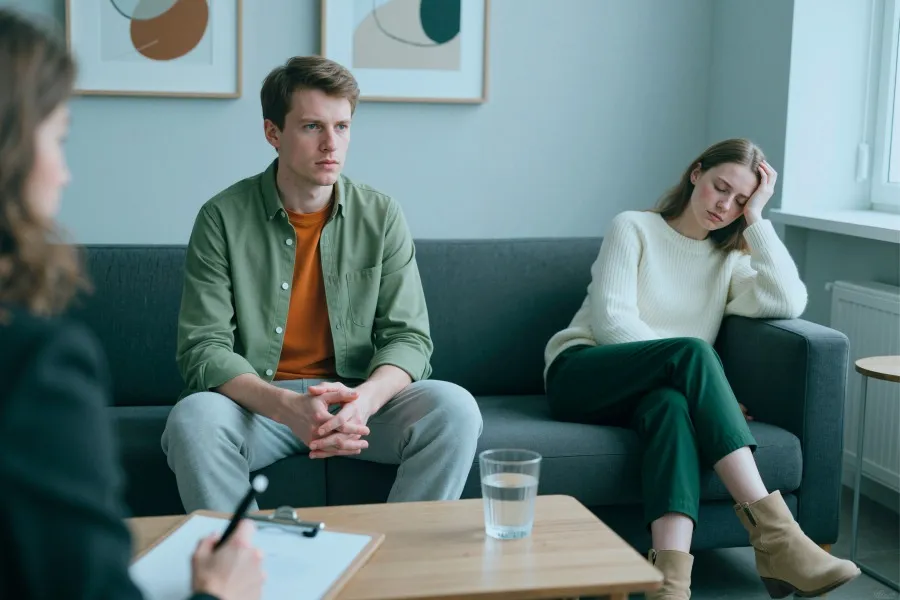
Feeling Disconnected
Many couples seek counseling because the relationship feels distant, routine, or emotionally disconnected. There may not be one major problem, but the closeness that once felt natural now feels harder to access. Couples counseling helps partners reconnect, rebuild emotional intimacy, and restore connection in daily life, not just in session.

Communication Breakdown
Communication struggles often bring couples into therapy. Partners may misunderstand each other, interrupt, shut down, become defensive, or avoid difficult conversations altogether. Therapy helps couples slow down these patterns, identify and repair negative communication cycles, and develop clearer, more respectful communication skills with practical tools they can use during and between sessions.
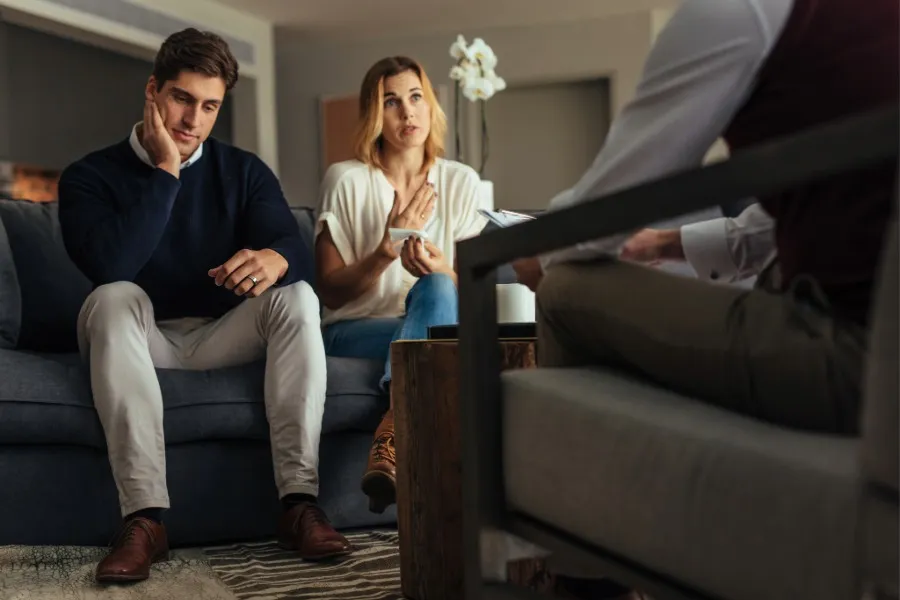
Ongoing Conflict
Some couples feel trapped in recurring arguments. Even when the topic changes, the emotional cycle remains the same, and therapy supports conflict resolution by interrupting negative feedback loops that keep disagreements going. Couples counseling helps identify these patterns, reduce escalation, and introduce practical strategies for navigating conflict more effectively.

Trust and Commitment Concerns
Couples may seek therapy when trust feels uncertain or when questions about commitment, compatibility, or the future begin to surface. These concerns may come from past experiences, unclear expectations, emotional distance, or fear of being unsupported. Therapy helps partners explore these questions with honesty and care, with rebuilding trust as a core goal when they decide to repair the relationship.

Premarital Counseling
Engaged couples or couples considering long-term commitment often begin counseling before marriage. Premarital counseling focuses on communication, finances, intimacy, values, expectations, family dynamics, and future planning. This work can help partners enter the next stage of their relationship with more clarity and alignment.

Infidelity and Betrayal Recovery
Betrayal can deeply affect a relationship, whether it involves infidelity, secrecy, emotional withdrawal, or broken agreements. Couples counseling provides a structured space to process what happened, understand the deeper patterns involved, and decide what repair or next steps may look like.

Life Transitions
Career changes, relocation, moving in together, becoming parents, blending families, financial stress, life changes, or major personal growth can change the rhythm of a relationship. Couples counseling helps partners stay connected and communicate clearly through periods of transition.

Sex-Positive Couples Therapy
Many couples struggle to discuss intimacy, sexual needs, desire differences, boundaries, or physical connection. Sex-positive couples therapy offers a supportive space for honest conversations without shame. This work can help partners build deeper emotional and physical intimacy.

Neurodiverse Relationships
Neurodiversity can affect communication styles, emotional expression, routines, sensory needs, and conflict patterns. Couples counseling helps partners better understand these differences, reduce misinterpretation, and create strategies that support each person in the relationship.
High Conflict Couples Counseling
Some couples experience intense arguments, emotional reactivity, or rapid escalation during conflict. These cycles can become exhausting and discouraging. Therapy focuses on emotional regulation, conflict management, and building new ways to respond when stress is high.

Intensive Couples Counseling
Couples who feel stuck or overwhelmed may benefit from more focused, intensive counseling sessions built for focused work. This approach allows partners to address core concerns in a shorter timeframe and begin creating meaningful change more quickly.
Trauma and Past Experiences
Past trauma, family history, attachment wounds, attachment theory, or previous relationship experiences can shape how people show up in current relationships. Couples counseling helps partners understand these dynamics, build empathy, and relate to each other with greater emotional awareness.
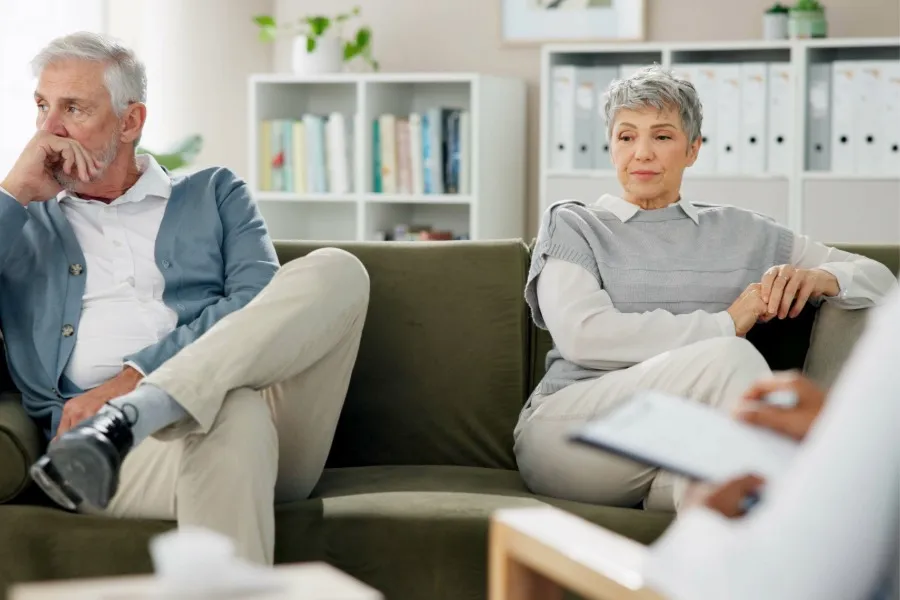
Breakup or Relationship Discernment
Some couples enter therapy unsure whether to stay together. Couples counseling can provide a structured space to explore options, understand relationship patterns, and make clearer decisions. The goal is not to force a specific outcome, but to support clarity and emotional honesty.
Our Couples Therapy Methodologies
Imago Therapy
Imago Therapy explores how early experiences and past relational patterns influence current relationship dynamics. In couples counseling, this approach helps partners move from blame to curiosity and empathy. Through guided conversations, couples learn to better understand each other’s needs, emotional responses, and triggers.
Why it matters to you: Imago Therapy can help couples break repeated patterns and create more connected, meaningful communication.
Emotionally Focused Therapy (EFT)
Emotionally Focused Therapy, or EFT, focuses on the emotional bond between partners. EFT helps couples identify negative cycles, understand the deeper needs beneath conflict, and respond to one another in more supportive ways.
Why it matters to you: EFT can help couples build a stronger emotional connection and create greater security in the relationship.
Gottman Method
The Gottman Method is based on decades of relationship research and offers structured tools for improving communication, friendship, intimacy, and conflict management. This approach helps couples build practical skills while strengthening the overall foundation of the relationship.
Why it matters to you: The Gottman Method provides clear strategies couples can use to improve communication and build a more stable, lasting partnership.


Get Your Relationship Back on Track
Improve communication, rebuild connection, and move forward with couples counseling in Austin, TX.
About Our Therapists
At Louis Laves-Webb, LCSW-S, LPC-S & Associates, we connect couples with therapists who bring diverse clinical backgrounds, specialties, and relationship therapy experience. Our team includes licensed professionals trained in couples counseling, marriage counseling, and family therapy, allowing us to tailor care to the needs of each relationship.
Meet Our Therapists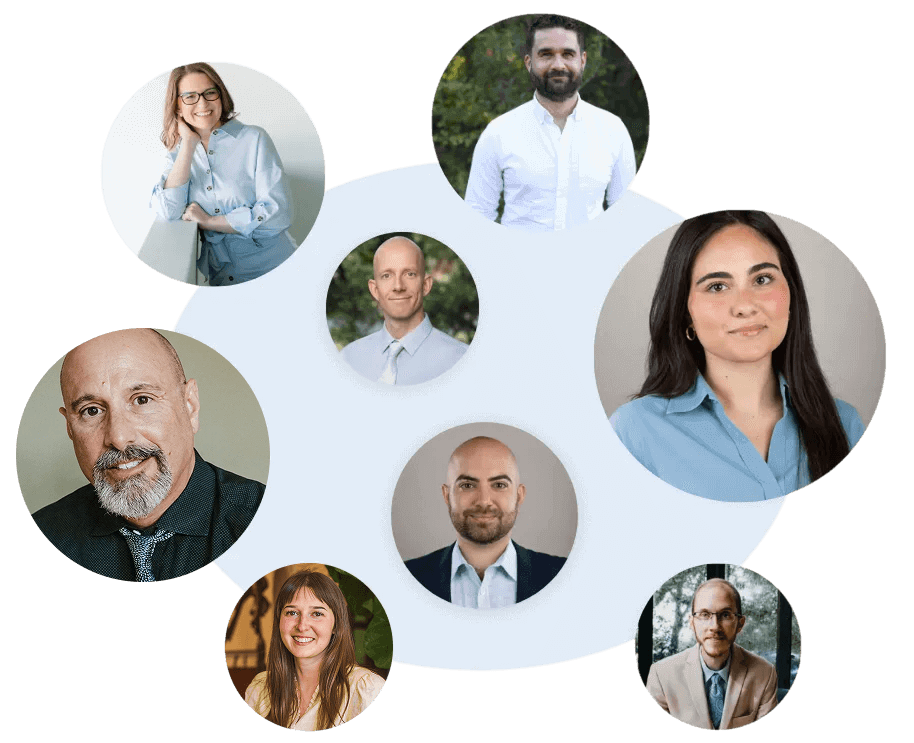

Louis Laves-Webb, LCSW-S, LPC-S
Louis Laves-Webb, LCSW-S, LPC-S, is a seasoned psychotherapist and clinical supervisor with more than two decades of experience helping individuals, couples, and families navigate emotional challenges through compassionate, evidence-based therapy.

Kalee Gower, LCSW-S
Kalee Gower, LCSW-S, is a licensed clinical social worker who blends curiosity, transparency, and evidence-based techniques to support clients in exploring identity, relationships, and personal growth.

Robbie Price, LPC
Robbie Price, LPC, is a relationally focused therapist who specializes in anxiety, depression, and trauma, using psychodynamic and interpersonal approaches to support self-awareness and emotional well-being.
How Does a Couples Therapist Differ From a Family Therapist?
A couples therapist focuses on the relationship between partners. This may include dating partners, engaged couples, unmarried long-term partners, married couples, LGBTQIA+ couples, or partners navigating uncertainty. The work centers on communication, emotional connection, conflict patterns, trust, intimacy, and shared decision-making.
A family therapist looks at the larger family system. Sessions may include children, co-parents, siblings, or extended family members when those relationships are affecting the couple or household. Family therapy may be helpful when parenting stress, blended families, or generational patterns are part of the concern.
At Louis Laves-Webb, LCSW-S, LPC-S & Associates, we provide both couples counseling and family therapy. This allows us to match the type of support to the relationship dynamics you are actually experiencing and, when broader family dynamics need attention, connect you with other therapists on our team.

Is Couples Counseling Really Worth It?
Many couples wonder whether therapy can help or whether they should simply end the relationship. This uncertainty is common, especially when conflict has been ongoing or emotional distance feels difficult to repair.
Couples counseling gives partners a structured space to understand what is happening before making major decisions from a place of frustration or exhaustion. In therapy, both partners have the opportunity to speak openly, feel heard, identify patterns, and practice new ways of communicating.
For some couples, therapy leads to renewed connection and stronger commitment. For others, it provides clarity about whether the relationship should continue. Either way, couples counseling can help partners move forward with greater understanding and less reactivity.
Looking for support specifically within your marriage? Explore our Marriage Counseling in Austin services.
What to Expect From Couples Counseling in Austin, TX
Taking the First Step
Starting couples counseling can feel vulnerable. Many couples worry that therapy will be uncomfortable, one-sided, or focused on blame. At Louis Laves-Webb, LCSW-S, LPC-S & Associates, the first step is about creating clarity and helping both partners feel supported in the process.
Your First Session
Your first session focuses on understanding your relationship, what brought you to therapy, and what each partner hopes to change. Your therapist will help identify patterns that may be contributing to conflict, disconnection, or uncertainty.
Building Momentum
As sessions continue, therapy becomes more collaborative and may include ongoing support and skill building across virtual or in-office sessions as momentum develops. You may work on communication, emotional regulation, trust, intimacy, conflict management, or deeper relational patterns. The goal is to help you create changes that extend beyond the therapy room.
Real Change Over Time
Over time, couples counseling can help partners feel more connected, more understood, and more capable of navigating difficult moments. Therapy provides space to reset, repair, and develop healthier relationship habits and relationship skills that support long-term well-being.
Frequently Asked Questions About Couples Counseling
When should we consider couples counseling?
How many couples counseling sessions are typically needed?
What if my partner is hesitant about therapy?
Can couples counseling help if we are not married?
How does couples counseling help communication?
Does couples counseling help with managing conflict?
Does couples counseling actually work?
Can couples therapy reduce relationship distress?
Do the benefits of Emotionally Focused Therapy last?
What evidence-based approaches are used in couples counseling?
Why do evidence-based frameworks matter in couples therapy?
What is Emotionally Focused Therapy for couples?
What is the Gottman Method?
Is Cognitive Behavioral Therapy used in couples counseling?
What is PACT couples therapy?
How can PACT help couples understand each other?
What should we look for when choosing a couples counselor?
What licenses should a couples therapist have in Texas?
Do couples therapists usually accept insurance?
Are sliding-scale fees available for couples counseling?
How long is a couples counseling session?
Will the therapist take sides?
Can couples counseling help after infidelity?
Can couples counseling help if we are considering breaking up?
Is couples counseling only for relationships in crisis?
Is online couples counseling available?
Couples Counseling for LGBTQIA+ Partners
Relationships come in many forms, and therapy should honor that. Our LGBTQIA+ affirmative therapists provide supportive, inclusive couples counseling for partners across different relationship structures, including LGBTQ+ affirming therapy in Austin for couples navigating communication, conflict, intimacy, identity-related stress, family acceptance, and emotional connection.
We provide a respectful, safe environment and space for LGBTQIA+ couples to explore sensitive relationship issues without having to explain or defend their identities. Therapy is designed to support both the relationship and the lived experiences each partner brings into the room, with attention to how mental health can affect relational well-being.
How Our Patients Feel
"Very helpful and personable. Been seeing him for couple's counseling for several years and he's helped us through some tough times."
"Louis is a really great listener. He not only listens, but he HEARS you. I have never felt so understood by a therapist before. He is great at guiding you toward a more honest approach at an emotionally balanced life. He doesn't judge and is always welcoming. My appointments with Louis always left me feeling empowered and ready to face the week."
"I’ve been going here consistently for several years and have been nothing short of amazed at the experience (and results)."

Trust the Licensed Couples Therapists at Louis Laves-Webb, LCSW-S, LPC-S & Associates
You do not have to keep repeating the same arguments, avoiding the same conversations, or wondering whether the relationship can change. Couples counseling can help you understand your patterns, communicate more clearly, and move forward with greater confidence.
At Louis Laves-Webb, LCSW-S, LPC-S & Associates, our licensed couples therapists provide practical, compassionate support tailored to your relationship. Contact our team, schedule your first session, and begin creating a healthier path forward together.
Office Locations
Downtown Austin Office
Our Downtown Austin office is conveniently located near the University of Texas at Austin and central Austin neighborhoods. This location offers a private and welcoming space for couples counseling, marriage counseling, family therapy, and individual therapy.
Learn More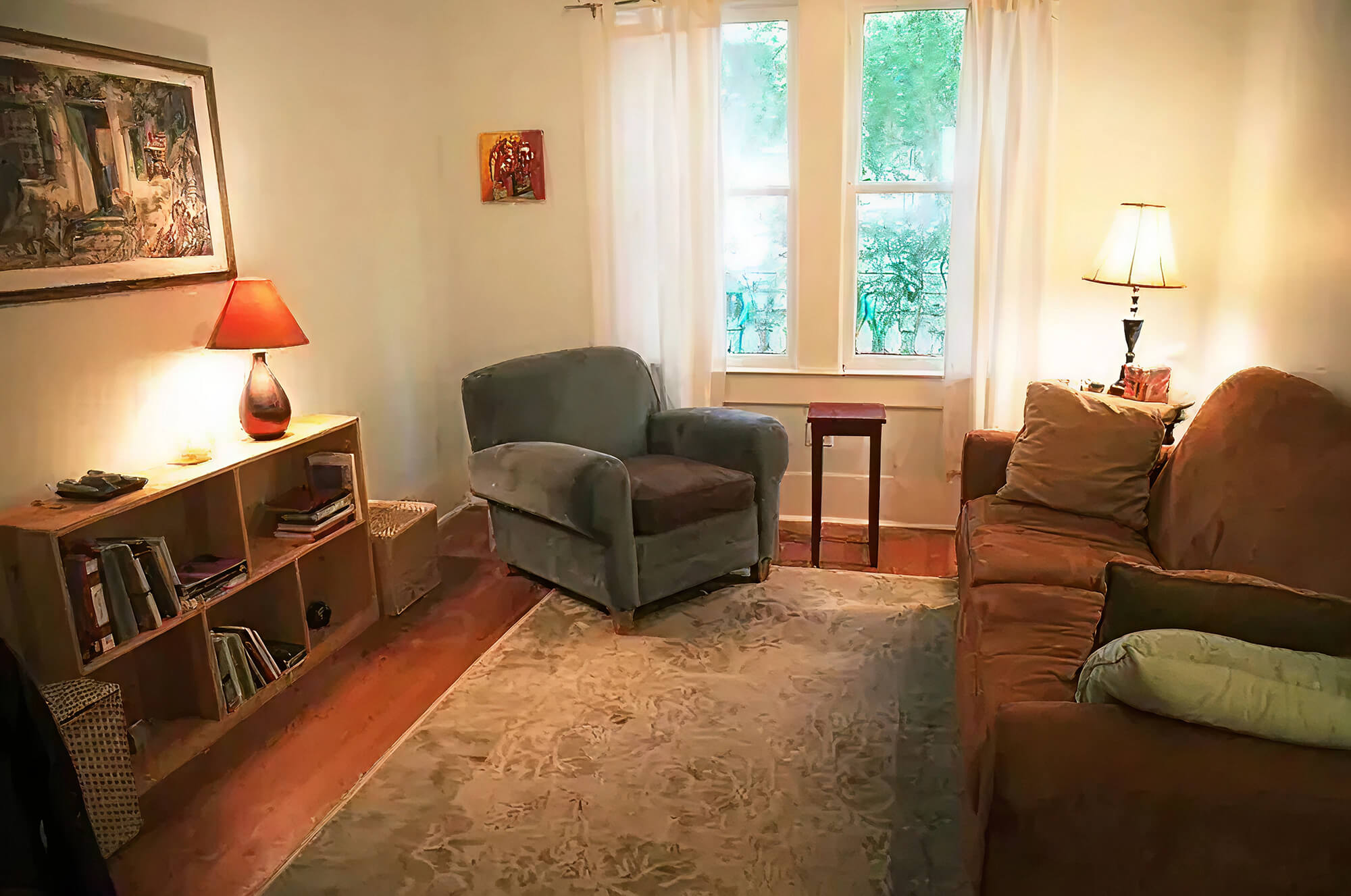
North Austin Office
Our North Austin office provides a convenient option for couples seeking therapy in North Austin and surrounding areas. With accessible parking and a comfortable setting, this location supports couples looking for practical, compassionate relationship care.
Learn More
Online Couples Counseling
Online couples counseling may be available for partners who prefer remote sessions. For many couples, virtual therapy offers the same benefits as in-person therapy and can be especially helpful for those with busy schedules, transportation challenges, parenting demands, or who feel more comfortable starting therapy from home. Successful couples counseling may include a combination of virtual and in-office sessions.
Learn More
Specialties


Find Your Perfect Match
We offer evaluations, assessments, and psychotherapy only.
Central Austin Location
601 West 18th St
Austin, TX 78701
North Austin Location
3818 Spicewood Springs Rd
Suite 300
Austin, TX 78759
Recent Posts


© Copyright 2024 | Sitemap | Privacy Policy/ Notice to Consumers | Office Policies