
Same Day, Weekend, and Evening Appointments Available!

Marriage Counseling Austin, TX

"Louis has helped my husband and I grow throughout the time leading up to our marriage as well as now that we are married. We both needed to grow in different ways and Louis was able to help us work on those areas while still nurturing our relationship. He helped us foster a healthy, happy and fulfilling marriage and has given us methods of effectively communicate with each other that we use every day."

As Seen In





About Marriage Counseling
Most married couples do not seek counseling the moment problems begin. Many wait until the same arguments keep repeating, emotional distance grows, or day-to-day communication starts to feel strained. Marriage counseling in Austin, TX gives couples a structured space to slow down, understand what is happening, and make realistic changes before disconnection becomes harder to repair.
At Louis Laves-Webb, LCSW-S, LPC-S & Associates, our licensed marriage therapists help couples work through conflict, rebuild trust, strengthen communication, and reconnect with greater clarity. Whether you are navigating long-standing tension, recovering from a breach of trust, adjusting to a major life transition, or wondering what the future of the marriage should look like, therapy can help you and your partner move forward with more intention.
"Very helpful and personable. Been seeing him for couple's counseling for several years and he's helped us through some tough times."
We're Here To Help
Counseling On Your Schedule
What Couples Gain from Marriage Counseling
Marriage counseling focuses on the real ways partners communicate, respond, repair, and relate to one another. Many married couples enter therapy feeling stuck in familiar patterns. One partner may pursue while the other withdraws. Conversations may turn into arguments quickly. Small issues may carry years of resentment underneath them.
Through therapy, couples can begin to identify these patterns and practice new ways of responding. Over time, marriage counseling may help reduce conflict, improve emotional safety, strengthen intimacy, and create a more stable foundation for the relationship. Some couples use therapy to rebuild the marriage. Others use it to gain clarity about what comes next. Either way, the process is designed to support healthier, more thoughtful decision-making.

Why People Start Marriage Counseling
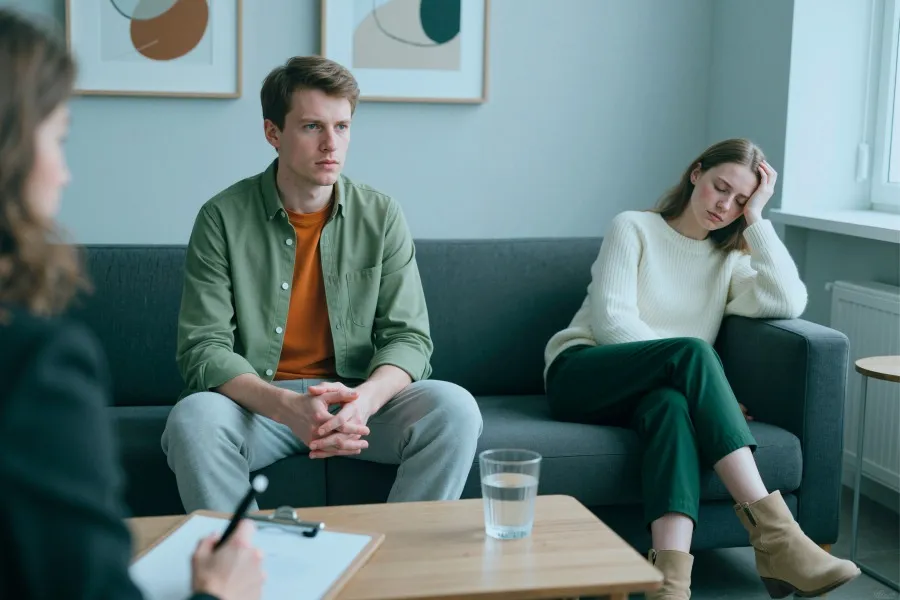
Feeling Disconnected
Many married couples seek therapy because the relationship no longer feels as close as it once did. There may not be one specific crisis, but the marriage feels distant, routine, or emotionally flat. Counseling helps partners rebuild emotional intimacy, create more meaningful conversations, and reconnect in ways that may have been lost through stress, parenting, work, or years of unresolved tension. Overall, the goal of marriage counseling is to help couples work toward healthier relationships.

Communication Breakdown
Communication problems are one of the most common reasons couples begin marriage counseling. Partners may feel misunderstood, dismissed, criticized, or unheard. Conversations may lead to defensiveness, avoidance, or escalation. Therapy helps couples build communication skills, listen more effectively, and speak in ways that are clearer and less reactive, with skills they practice between sessions.
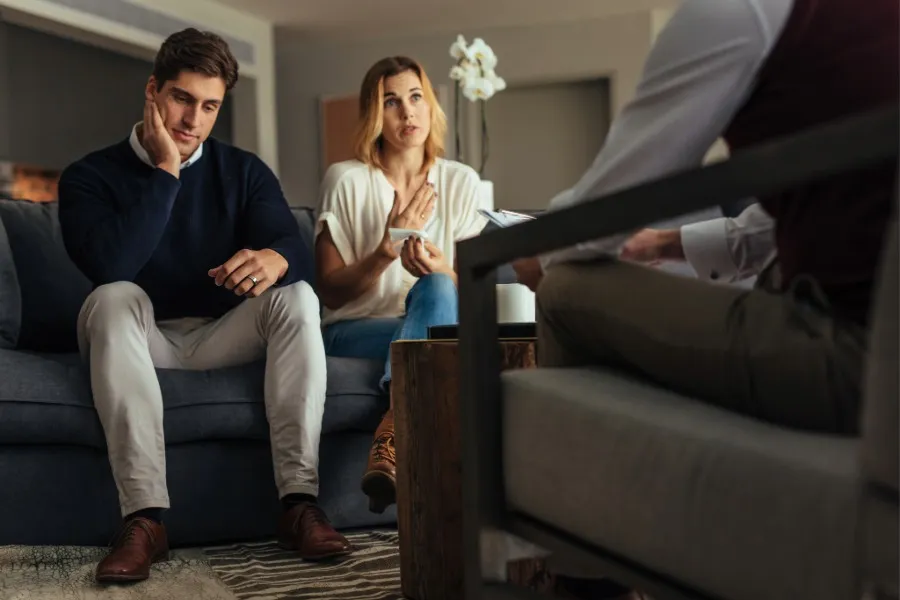
Ongoing Conflict
Some marriages become defined by recurring conflict. The topic may change, but the emotional pattern stays the same. Over time, this can create resentment, exhaustion, and emotional distance. Marriage counseling helps couples identify unhealthy conflict cycles, address issues within those patterns, and develop more productive ways to navigate disagreements.

Trust and Commitment Concerns
Marriage counseling can be especially important when trust has been damaged or when one or both partners feel uncertain about the future. Trust concerns may stem from past hurts, secrecy, emotional distance, broken promises, or fear that the relationship is no longer secure. Therapy provides a safe place to address these concerns honestly and begin rebuilding a clearer sense of commitment.

Infidelity Recovery Counseling
After infidelity, many couples feel overwhelmed by anger, grief, confusion, and fear. Marriage counseling can help partners process what happened, understand the patterns that contributed to the rupture, and decide what repair would require. The goal is not to rush forgiveness or force a particular outcome, but to create a structured space where both partners can work toward clarity, accountability, and emotional safety.

Life Transitions
Major life transitions can put pressure on even strong marriages. Career changes, relocation, financial stress, health concerns, parenting, caregiving, or becoming empty nesters can shift the rhythm of the relationship. Marriage counseling helps couples stay aligned during change, communicate more openly, and protect their connection during stressful seasons.

Sex-Positive Marriage Counseling
Concerns around intimacy, desire, sex, or physical connection are common in marriage. Many couples struggle to talk about these topics openly without shame, defensiveness, or fear of rejection. Sex-positive marriage counseling supports honest conversations about needs, boundaries, expectations, and emotional closeness.

Co-Parenting and Parenting Stress
Parenting can introduce new layers of stress into a marriage. Couples may disagree about discipline, routines, responsibilities, or emotional labor. Therapy helps married partners communicate more effectively as co-parents, reduce conflict in the home, and create a more stable environment for the family.

Neurodiverse Marriages
Neurodiversity can shape communication, emotional expression, sensory needs, routines, and conflict patterns. In marriage counseling, partners can better understand these differences and develop strategies that support both individuals. Therapy helps build empathy while also creating practical tools for daily life.
High Conflict Marriage Counseling
Some marriages fall into cycles of intense arguments, emotional reactivity, or repeated ruptures. These patterns can feel difficult to stop without outside support. Therapy focuses on emotional regulation, conflict management, and helping partners respond differently during stressful moments.

Trauma and Past Experiences
Past trauma and early relational experiences can affect how partners communicate, protect themselves, and respond during conflict. Marriage counseling helps couples understand how these histories may be showing up in the present. With support, partners can build more empathy, reduce reactivity, and relate to each other with greater care.
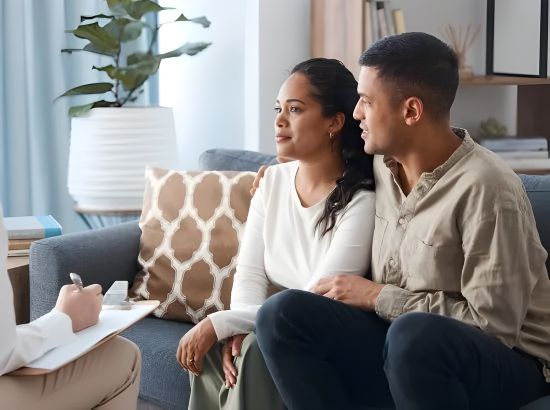
Divorce Discernment
Some couples begin marriage counseling while wondering whether to stay together. Therapy provides a structured space to explore the relationship, understand the patterns that led to this point, and clarify next steps. Some couples choose to repair the marriage, while others decide to separate with more understanding and less confusion.
Our Marriage Therapy Methodologies
Imago Therapy
Imago Therapy explores how past experiences shape current relationship patterns. In marriage counseling, this approach helps partners move away from blame and toward deeper empathy. Through guided conversations, couples learn to understand each other’s emotional responses, unmet needs, and recurring triggers.
Why it matters to you: Imago Therapy can help married couples break repeated patterns and communicate with more empathy, intention, and emotional connection.
Emotionally Focused Therapy (EFT)
Emotionally Focused Therapy, or EFT, focuses on the emotional bond between partners. This approach helps couples identify negative cycles, express deeper needs, and create more secure responses during conflict. EFT can be especially helpful for couples who feel disconnected, reactive, or unsure how to reach each other emotionally.
Why it matters to you: EFT can support trust, emotional safety, and long-term connection within the marriage.
Gottman Method
The Gottman Method is a research-informed approach that focuses on practical tools for improving relationship satisfaction. It helps married couples manage conflict, strengthen friendship, improve communication, and build shared meaning. This approach can be especially useful for couples who want clear, structured strategies.
Why it matters to you: The Gottman Method gives couples practical ways to communicate, repair, and strengthen the foundation of their marriage.


Get Your Marriage Back on Track
Rebuild trust, improve communication, and reconnect through marriage counseling in Austin, TX.
About Our Therapists
At Louis Laves-Webb, LCSW-S, LPC-S & Associates, our team includes therapists with diverse backgrounds, specialties, and clinical training. We connect couples with licensed professionals who understand the complexity of marriage, long-term commitment, conflict, intimacy, family stress, and emotional repair. For marriage counseling in Austin, look for professional counselors with valid Texas credentials for therapy. Common licenses for relationship counseling in Texas include LMFT and LPC, and licensed providers are regulated by the Texas State Board. In the broader field, some counselors may be supervised by licensed professionals during training or come from trained biblical counseling backgrounds, but our focus here is on licensed care. At Louis Laves-Webb & Associates, our counselors are fully certified to offer marriage counseling in the state of Texas.
Meet Our Therapists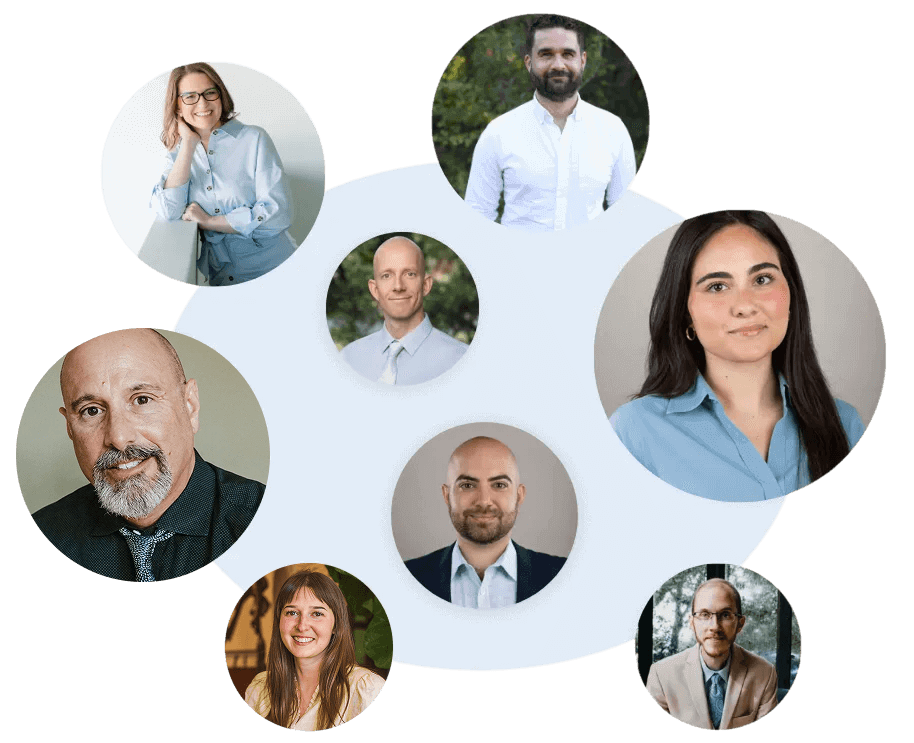

Louis Laves-Webb, LCSW-S, LPC-S
Louis Laves-Webb, LCSW-S, LPC-S, is a seasoned psychotherapist and clinical supervisor with more than two decades of experience helping individuals, couples, and families navigate emotional challenges through compassionate, evidence-based therapy.

Kalee Gower, LCSW-S
Kalee Gower, LCSW-S, is a licensed clinical social worker who blends curiosity, transparency, and evidence-based techniques to support clients exploring identity, relationships, and personal growth.

Robbie Price, LPC
Robbie Price, LPC, is a relationally focused therapist who works with anxiety, depression, and trauma, using psychodynamic and interpersonal approaches to support greater self-awareness and emotional well-being
How Does a Marriage Counselor Differ From a Family Therapist?
A marriage counselor focuses primarily on the relationship between spouses or long-term partners. This work helps couples improve communication, reduce conflict, rebuild trust, and strengthen emotional intimacy when the marriage feels strained or disconnected.
A family therapist looks at the broader family system. Sessions may include children, co-parents, or extended family members when those dynamics are affecting the relationship. Family therapy can be especially helpful when parenting stress, blended family concerns, or generational patterns are impacting the marriage.
At Louis Laves-Webb, LCSW-S, LPC-S & Associates, we provide both marriage counseling and family therapy. This allows us to match the therapeutic approach to what is actually affecting your relationship.

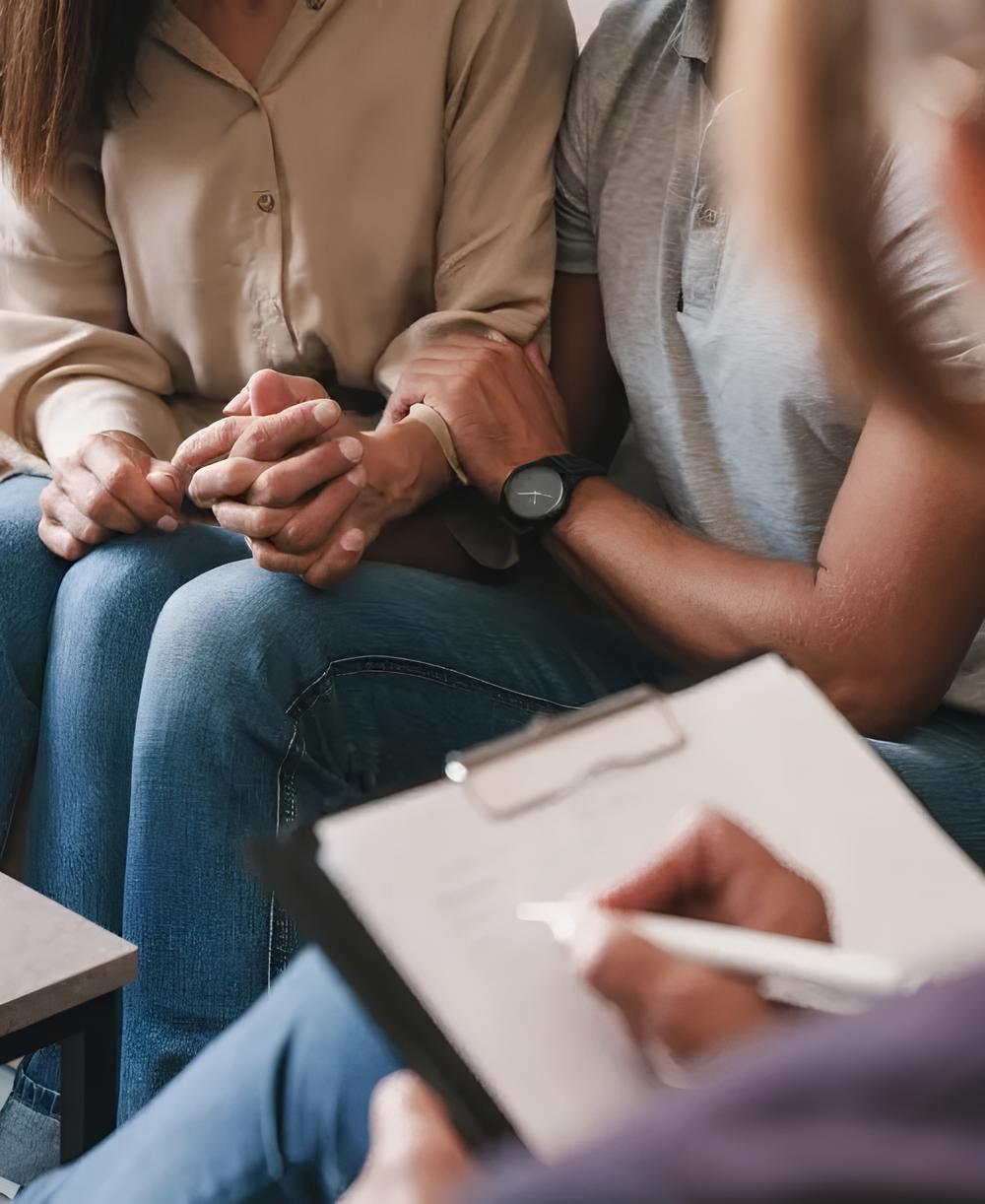
Is Marriage Counseling Really Worth It?
Many married couples reach a point where they feel exhausted, frustrated, or unsure what else to try. In a growing city like Austin, the pressures of demanding careers, parenting, relocation, financial stress, and fast-paced daily life can make it easy for couples to drift apart.
Marriage counseling gives couples a structured space to slow down and understand what is happening beneath the conflict. Both partners have the opportunity to speak openly, feel heard, and work through relationship issues in healthier ways. Some couples rebuild trust and connection. Others gain clarity about the healthiest path forward. In either case, therapy can help couples move toward lasting change and make decisions from a place of understanding rather than exhaustion.
Looking for broader relationship support outside of marriage? Explore our Couples Counseling in Austin services.
What to Expect From Marriage Counseling in Austin, TX
Taking the First Step
Starting marriage counseling can feel intimidating. Many couples worry that therapy will confirm their fears or lead to more conflict. In reality, the first step is often about creating space for clarity, not pressure. The counseling process often begins with one conversation at a time, and many couples counseling plans last around 12 weeks, depending on your goals.
Your First Session
Your first session focuses on understanding your marriage, current concerns, and recurring patterns. Your therapist will help both partners begin to identify what is not working and what each person hopes to change.
Building Momentum
As therapy continues, sessions become more structured and collaborative. You will work on evidence-informed strategies to improve communication, reduce conflict, repair trust, and create practical changes outside of therapy.
Real Change Over Time
Over time, marriage counseling can help partners reconnect, deepen emotional intimacy, build a strong foundation, and move forward with more confidence. The goal is to improve the health of the relationship while supporting each partner’s mental health and overall well-being.
How Our Patients Feel
"Louis is an incredible therapist. His approach to patients is truly one-of-a-kind by first and foremost ensuring there is a gentle and safe environment to have an open conversation. Louis has helped me through several issues I've faced throughout my life..."
“Louis has been instrumental to a lot of my own personal growth and development. And the work he has helped me go through has impacted not only me, but everyone around me and the relationships around me.”
“Robbie allowed me to soften and open up to an internal world that I didn’t even know existed.”
"You’re making a mistake if you don’t see Nicholas Mamey. His experience in counseling couples is profound, his guidance is wise, and his ability to leave the situation better than when you walked in was stunning. STRONGLY recommend."
“I’ve worked with therapists for the last 7 years and I’ve never had such a positive experience like I’ve had with Kalee. The perfect balance of feeling safe and cared for while also giving friendly and intelligent guidance to achieve my therapy goals.”
"My time spent with Mr. Laves-webb has been a blessing. He and his staff are professional and informative. They listened when I spoke and help me decide what was best for me. I no longer feel lost in my own head and I know whom I can contact to help me sort through my life. Thank you All for what you have helped me with. I appreciate your time."
"Very helpful and personable. Been seeing him for couple's counseling for several years and he's helped us through some tough times."
Frequently Asked Questions About Marriage Counseling
When should we consider marriage counseling?
How many marriage counseling sessions are typically needed?
How long does each marriage counseling session last?
What if my spouse is hesitant about counseling?
How does marriage counseling improve communication?
Does marriage counseling help with conflict?
What therapy methods are commonly used in marriage counseling?
How does Cognitive Behavioral Therapy help in marriage counseling?
What is the difference between marriage counseling and couples counseling?
Can marriage counseling help after infidelity?
Can marriage counseling help if we are considering divorce?
Are LPC Associates qualified to provide marriage counseling?
Are sliding-scale fees or financial assistance available?
Does insurance cover marriage counseling?
Is marriage counseling only for couples in crisis?
Can marriage counseling help with parenting stress?
Is online marriage counseling available?
Marriage Counseling for LGBTQIA+ Partners
Marriages come in many forms, and therapy should reflect that while respecting each couple’s identity, values, and beliefs. Our LGBTQIA+ affirmative therapists provide inclusive, supportive marriage counseling for partners navigating communication, trust, intimacy, conflict, family stress, and connection.
We honor the unique experiences LGBTQIA+ couples may bring into therapy, including identity-related stress, family acceptance, discrimination, chosen family dynamics, and the importance of emotional safety within the therapeutic space. Counseling should support emotional safety while leaving room for hope.
How Our Patients Feel
"Very helpful and personable. Been seeing him for couple's counseling for several years and he's helped us through some tough times."
"Louis is a really great listener. He not only listens, but he HEARS you. I have never felt so understood by a therapist before. He is great at guiding you toward a more honest approach at an emotionally balanced life. He doesn't judge and is always welcoming. My appointments with Louis always left me feeling empowered and ready to face the week."
"I’ve been going here consistently for several years and have been nothing short of amazed at the experience (and results)."

Trust the Licensed Marriage Therapists at Louis Laves-Webb, LCSW-S, LPC-S & Associates
You do not have to stay stuck in the same patterns or continue wondering where the marriage is headed. If you are ready to improve communication, rebuild trust, and create a more stable connection, marriage counseling can help make that progress feel possible.
At Louis Laves-Webb, LCSW-S, LPC-S & Associates, our licensed marriage therapists provide clear, practical, compassionate guidance tailored to your relationship. Contact our team, schedule your first session, and begin moving forward with more clarity and confidence.
Two Convenient Locations
Downtown Austin Office
Our Downtown Austin office is conveniently located near the University of Texas at Austin and the surrounding central Austin community. This location offers a private, welcoming setting with a comfortable waiting room before sessions for marriage counseling, couples therapy, family therapy, and individual counseling
Learn More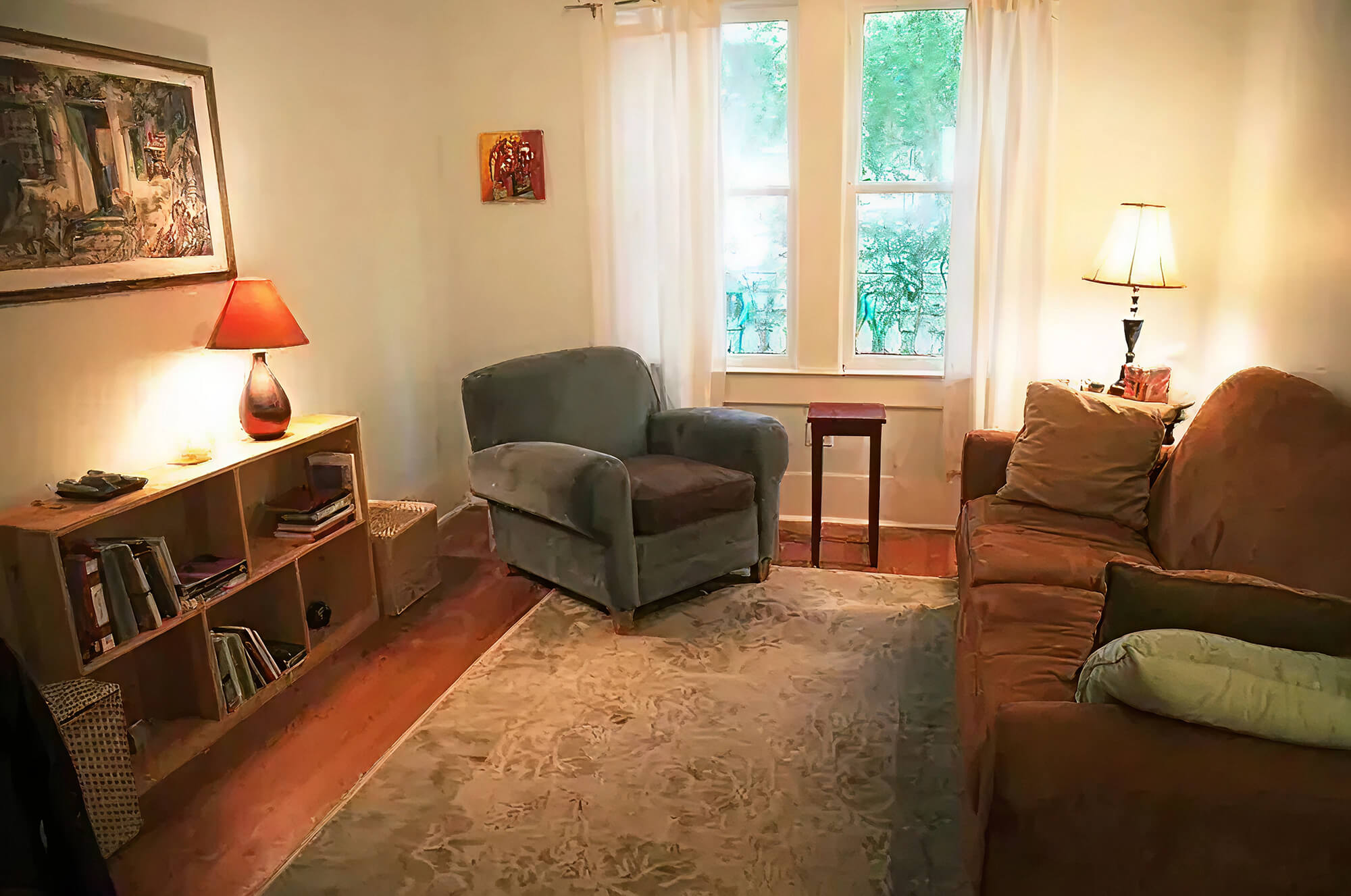
North Austin Office
Our North Austin office provides another accessible option for marriage counseling in Austin, TX. This location offers convenient parking and a comfortable environment for couples seeking support in North Austin and nearby communities.
Learn More
Online Marriage Counseling
Online therapy may be available for couples who prefer the flexibility of meeting remotely. Virtual marriage counseling can be helpful for busy schedules, parenting demands, work travel, or partners who benefit from beginning therapy from a familiar environment.
Learn More
Specialties


Find Your Perfect Match
We offer evaluations, assessments, and psychotherapy only.
Central Austin Location
601 West 18th St
Austin, TX 78701
North Austin Location
3818 Spicewood Springs Rd
Suite 300
Austin, TX 78759
Recent Posts





.svg)


© Copyright 2024 | Sitemap | Privacy Policy/ Notice to Consumers | Office Policies