
Same Day, Weekend, and Evening Appointments Available!
Same Day, Weekend, and Evening Appointments Available!
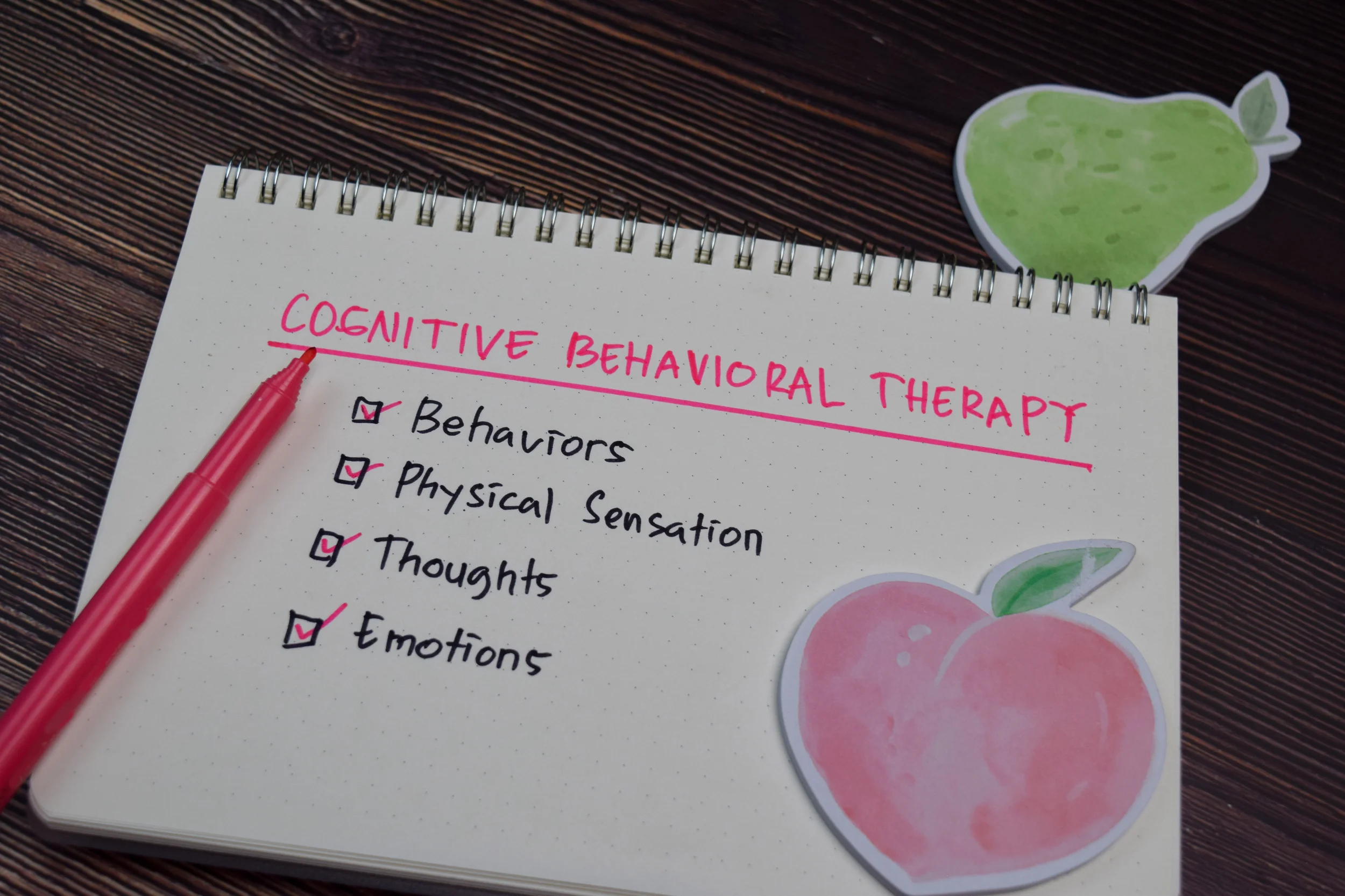
Cognitive Behavioral Therapy (CBT) is a practical, evidence-based form of therapy that helps individuals identify and change unhelpful thought patterns and behaviors contributing to anxiety, depression, stress, panic, and other emotional struggles. CBT focuses on the connection between thoughts, feelings, and behaviors, helping clients develop healthier ways of thinking, coping, and responding to life's challenges.
One of the more fascinating truths about the human mind is that we do not simply react to life itself — we react to the meaning we assign to life. Two people can experience the exact same event and walk away with entirely different emotional realities. One person feels rejected, another relieved. One feels shame, another motivation.
Much of our emotional life is filtered through interpretation, belief, memory, and internal dialogue. Cognitive Behavioral Therapy, often referred to as CBT, is built upon this very premise.
At its core, CBT suggests that thoughts frequently influence feelings. If a person consistently interprets experiences through fear, self-criticism, hopelessness, catastrophe, or rejection, their emotional world often begins reflecting those interpretations.
Over time, certain thought patterns can become so automatic that they feel like objective truth rather than learned mental habits. CBT helps individuals slow this process down and examine whether the thoughts shaping their emotional reactions are actually accurate, balanced, or helpful.
CBT focuses on the interconnected relationship between thoughts, feelings, and behaviors. When someone becomes trapped in cycles of anxiety, depression, panic, avoidance, or self-doubt, these systems begin reinforcing one another.
For example:
CBT primarily intervenes at the level of thoughts and behaviors in order to interrupt these repetitive cycles and create healthier emotional outcomes.
Cognitive Behavioral Therapy can be especially effective for acute or present-focused struggles. CBT is commonly used to help individuals experiencing:
Many people appreciate CBT because of its practical nature. It offers concrete tools, coping strategies, and techniques to challenge distorted thinking patterns that may be intensifying emotional suffering.
Experienced therapists understand that human beings are more emotionally complex than thought correction alone. Some emotional reactions are not merely irrational distortions to eliminate, but meaningful responses connected to grief, trauma, attachment wounds, loneliness, fear, or unresolved life experiences.
The most informed CBT therapists know how to use cognitive and behavioral interventions without dismissing the deeper emotional realities emerging within therapy.
In other words, effective therapy is not simply about "thinking positive." It is about developing a more honest, balanced, compassionate, and emotionally aware relationship with oneself.
Sometimes thoughts do need to be challenged. Other times they need to be understood.
At Louis Laves-Webb & Associates, our therapists integrate CBT thoughtfully and flexibly within the broader emotional context of each client's life. We believe meaningful therapy should not only reduce symptoms but also deepen self-understanding, emotional resilience, and long-term personal growth. Contact us to learn more today.
Louis Laves-Webb, LCSW, LPC-S
Louis Laves-Webb & Associates
(512) 914-6635

May 21, 2026

May 21, 2026

May 21, 2026
May 21, 2026

May 21, 2026

May 21, 2026
601 West 18th St
Austin, TX 78701
3818 Spicewood Springs Rd
Suite 300
Austin, TX 78759
© Copyright 2024 | Sitemap | Privacy Policy/ Notice to Consumers | Office Policies


