
Same Day, Weekend, and Evening Appointments Available!
Same Day, Weekend, and Evening Appointments Available!
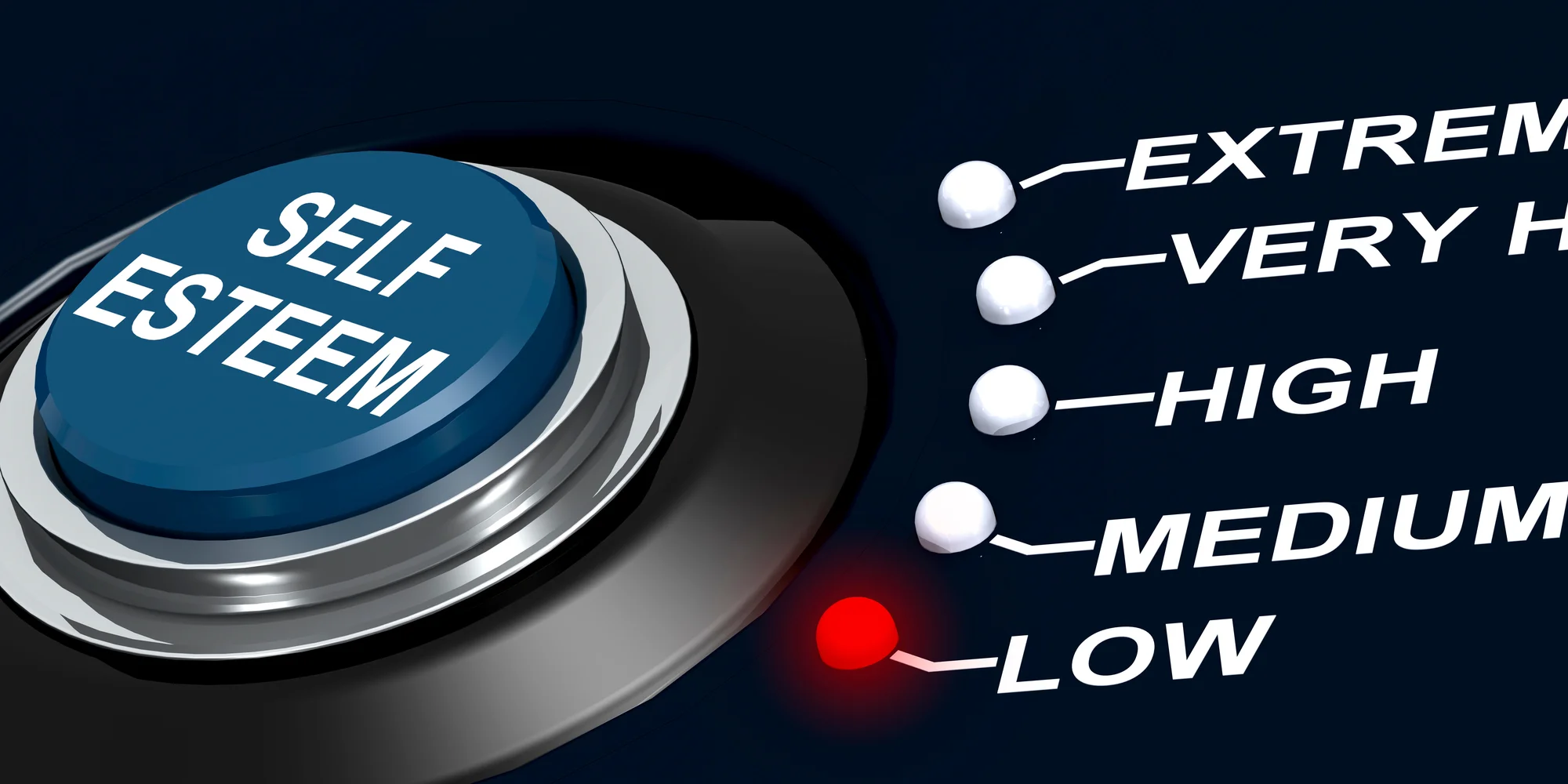
Low self-esteem can influence nearly every aspect of a person's life, including relationships, emotional well-being, decision-making, confidence, boundaries, and sense of identity. While it is often associated with insecurity, low self-esteem can also appear as perfectionism, people-pleasing, overachievement, fear of rejection, or difficulty trusting oneself. With self-awareness and therapeutic support, individuals can develop a healthier, more stable relationship with themselves and others.
Self-esteem is far more than simply feeling good about yourself. It functions as a psychological foundation that influences nearly every aspect of how we experience life, including our relationships, decision-making, emotional resilience, sense of identity, ability to set boundaries, tolerate vulnerability, pursue goals, and navigate the world with confidence and authenticity.
In many ways, self-esteem shapes the relationship we have with ourselves.
At the center of self-esteem is what psychologists often refer to as the internal voice — the ongoing dialogue through which we interpret our worth, competence, lovability, and place in the world. For some people, this internal voice is encouraging, grounded, and compassionate. For others, it becomes highly self-critical, perfectionistic, punitive, or unstable, creating chronic feelings of inadequacy, shame, or self-doubt even in the presence of outward success.
One reason low self-esteem can be difficult to recognize is that it does not always appear as obvious insecurity. In fact, low self-esteem can manifest in many different ways, including:
At its core, low self-esteem often creates a fragile internal structure that becomes highly vulnerable to external validation, criticism, comparison, or perceived failure.
Psychotherapist Nathaniel Branden, one of the most influential voices in self-esteem psychology, described healthy self-esteem as being closely connected to self-awareness, self-acceptance, personal responsibility, authenticity, and intentional living.
His work emphasized that healthy self-esteem is not arrogance or inflated confidence. Rather, it is a stable sense of inner worth, self-respect, and psychological coherence.
Many early life experiences play a significant role in the development of self-esteem. Factors that can contribute to low self-esteem include chronic criticism, emotional neglect, inconsistent attachment, bullying, unrealistic expectations, trauma, family comparison, and conditional acceptance or affection.
Over time, these experiences may become deeply embedded within a person's identity and emotional world, shaping how they view themselves and interact with others.
Low self-esteem often amplifies emotional distress and can make everyday challenges feel more overwhelming. Individuals may experience shame spirals, catastrophic thinking, heightened anxiety, difficulty making decisions, relational uncertainty, chronic self-doubt, difficulty trusting themselves, and increased sensitivity to criticism.
Because the internal sense of self feels unstable, even ordinary setbacks can feel deeply personal and emotionally painful.
The encouraging reality is that self-esteem is not fixed. With greater self-awareness, emotional insight, healthier relationships, and intentional therapeutic work, people can begin transforming the way they experience themselves internally and externally.
Building self-esteem is not simply about becoming more confident. It is about developing a more stable, authentic, compassionate, and emotionally grounded relationship with oneself.
At Louis Laves-Webb & Associates, our therapists approach self-esteem work with depth, compassion, and clinical sophistication. We recognize that self-esteem is not simply about increasing confidence but about helping individuals develop a more stable, authentic, and emotionally grounded relationship with themselves and others.
Louis Laves-Webb, LCSW, LPC-S
Louis Laves-Webb & Associates
(512) 914-6635
%20(1).png)
August 21, 2026
%20(1).png)
August 18, 2026
%20(1).png)
August 14, 2026
%20(1).png)
August 12, 2026
August 10, 2026
.png)
August 6, 2026
601 West 18th St
Austin, TX 78701
3818 Spicewood Springs Rd
Suite 300
Austin, TX 78759
© Copyright 2024 | Sitemap | Privacy Policy/ Notice to Consumers | Office Policies






.svg)

